
Nursing Home Negligence Lawyers in Alexandria, Louisiana
When you trust a nursing home to care for someone you love, that trust should never be broken.
Families place a parent, grandparent, or spouse in a nursing home expecting dignity and proper care. When that care fails through neglect or abuse, the consequences can be severe and sometimes irreversible.
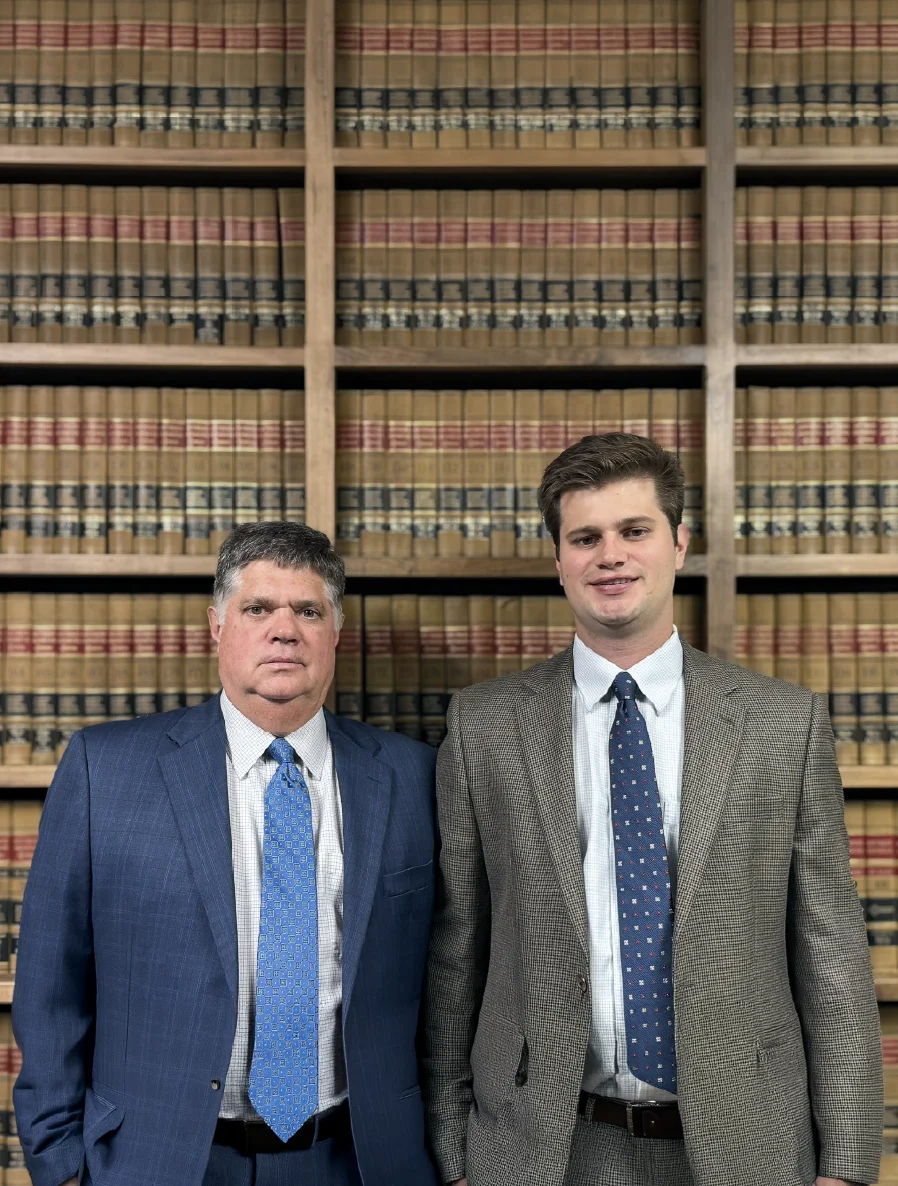
Roy Injury Law helps Alexandria and Central Louisiana families investigate serious injuries caused by nursing home neglect or abuse. Chris J. Roy Jr., who has practiced law for 40 years, and John J. Roy review the care provided, explain your options, and pursue accountability when negligent care causes harm. If something doesn’t feel right, your first consultation is free.
Who this page is for
This page is for you if something has changed with your loved one and you can’t quite explain it. Families often come to us because:
- During a visit, your mother seemed withdrawn, confused, or frightened.
- Your father has bruises no one can explain or has lost a significant amount of weight.
- Your loved one developed painful bedsore or wasn’t receiving medications correctly.
- Your parent flinches when a certain staff member walks into the room.
- You found your spouse in soiled bedding, dehydrated, and unable to say how long they’d been that way.
- You raised concerns with staff and were dismissed or told nothing was wrong.
These situations often go unreported, especially when a resident lives with dementia or has trouble communicating.
What is nursing home negligence or abuse?
Nursing home negligence occurs when a facility fails to provide the standard of care its residents are owed. Abuse is deliberate harm. Both can cause serious injury, and both can support a legal claim. Neglect is often quiet and gradual, showing up in small failures that build over time.
Common forms of nursing home negligence and abuse include:
- Pressure ulcers (bedsores) that develop or worsen without proper prevention and wound care.
- Medication errors, such as the wrong drug, the wrong dose, or missed doses.
- Malnutrition and dehydration, which can cause rapid physical and cognitive decline.
- Falls and fractures linked to inadequate supervision or unsafe transfers. [See our nursing home falls and fractures page.]
- Physical or sexual abuse by staff, other residents, or visitors. [See our nursing home abuse page.]
- Improper restraints, physical or chemical, used without medical justification.
- Emotional and verbal abuse, including threats, humiliation, or isolation.
- Poor hygiene and unsanitary conditions that lead to skin breakdown and infections.
Pressure ulcers and bedsores
Pressure ulcers, also called pressure injuries, bedsores, or decubitus ulcers, develop when sustained pressure, or pressure combined with shear, damages skin and underlying tissue. Common sites include the heels, tailbone, hips, and ankles. Residents with limited mobility depend on staff to reposition them and protect vulnerable areas.
Nursing homes must assess each resident’s risk and provide appropriate prevention and treatment. Depending on the resident’s needs, care may include regular skin and heel checks, an individualized repositioning plan, pressure-relieving mattresses or cushions, heel offloading, moisture management, nutrition and hydration support, and timely wound care.
Warning signs include persistent redness or discoloration, blisters, open wounds, dark tissue, drainage, or worsening pain. Deep wounds can reach muscle or bone and lead to serious infection, including sepsis. Seek prompt medical evaluation when a wound develops or worsens.
A pressure ulcer does not automatically prove negligence; some wounds develop despite appropriate care. We examine whether staff recognized the risk, followed and updated the care plan, monitored the wound, notified providers, and responded when it worsened. Our review may include wound photographs, skin assessments, repositioning records, treatment orders, nutrition records, and staffing information.
Warning signs of nursing home neglect
Abuse and neglect are not always obvious, particularly when a resident has trouble communicating or fears retaliation. You know your family member best. Watch for:
- Unexplained bruises, cuts, or welts
- New or worsening bedsores, especially on the heels, hips, or tailbone
- Significant or unexplained weight loss
- Signs of dehydration or malnutrition
- Unwashed clothing, poor hygiene, or soiled bedding
- Frequent urinary tract infections or other recurring infections
- Missed or incorrectly given medications
- Broken bones or injuries without a clear explanation
- Sudden withdrawal, fear, or anxiety around certain staff
- Unexplained financial changes or account withdrawals
What to do if you suspect nursing home negligence
- Make sure your loved one is safe. Call 911 for immediate danger and arrange prompt medical care.
- Document what you observe. Write down dates, times, names, and explanations. Photograph visible injuries and conditions when appropriate. Save messages and records.
- Report your concerns to the facility in writing. A written record creates accountability.
- File a complaint with the Louisiana Department of Health. The state can investigate the facility, and its findings may be useful later.
- Contact Roy Injury Law. We’ll review your situation and explain whether you may have a claim. Evidence can disappear and deadlines can pass, so act promptly.
Why families in Alexandria choose Roy Injury Law
- We handle these cases personally. You work directly with Chris and John. They investigate thoroughly, take the necessary depositions, and make sure they understand exactly what happened.
- A record of protecting the elderly. Chris J. Roy Jr. previously served in the Louisiana House of Representatives, where he advocated for protecting older adults from abuse, neglect, and financial exploitation.
- We know this area. As lifelong members of the Alexandria community, Chris and John know the local courts, healthcare providers, and resources available to families. You’re getting attorneys who are your neighbors, not an out-of-state firm running TV ads.
- Contingency fee. Nursing home cases can be complex, require expert witnesses, and take time. No attorney fee is due unless we recover compensation; the fee agreement explains costs and expenses.
Schedule your free consultation
If you suspect your loved one has been harmed in a nursing home, you deserve straight answers. Call Roy Injury Law or contact us online for a free, no-obligation consultation with attorneys who will take your concerns seriously.